


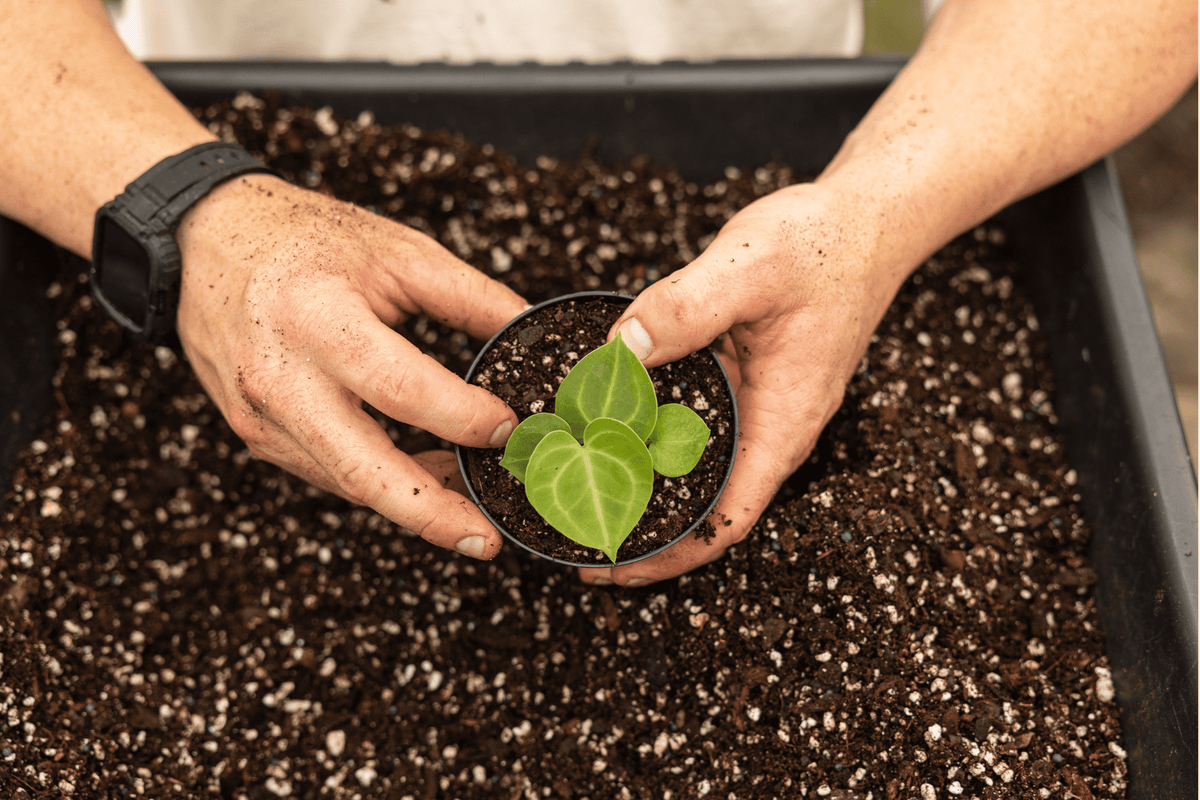
Perlite and How it Helps Plants in Potting Mix
Read in: 3 min



Read in: 3 min
Perlite is a volcanic rock byproduct that is formed from obsidian (volcanic glass) when it is hydrated by absorbing ground water and heated to at least 1,600 degrees Fahrenheit for long periods of time. It can also be manufactured in a factory where it is placed in a furnace between 1,400 and 1,800 degrees Fahrenheit .
The hot water begins evaporating by turning into steam, it expands the obsidian or perlite causing it to expand between 4 and 20 times its original size and become porous as the water tries to escape giving perlite its signature rough look and texture.
While obsidian is black, the white and grey color of perlite is a result of the reflection of the bubbles that get trapped while it is being heated and processed for use in potting mixes , insulation, and fill materials. But why and how did perlite become popular for potting mixes?
There are five reasons why perlite is a popular material in potting mix including:
Aeration to help air pass through the soil or potting mix so roots can breathe
Water flow to prevent waterlogging in the soil, bacteria or fungal build up, and disease
Compact prevention so roots can grow and expand
Providing enough nutrients throughout the soil as a result of the non-compacted soil and aeration
Being PH neutral so it does not impact the acidity of the potting mix so growers can keep plants like Begonia that need slightly acidic potting mix or Hoya that need slightly more acidic potting mix thriving
Perlite was first discovered and tested for use in 1939 by Lee Boyer. But it wasn’t until two decades later that people discovered its use for agriculture in soil and potting mix as a way to help aerate the soil so plants can have proper air, water, and nutrient flow. The naturally porous surfaces from the heating and expansion of the obsidian while creating perlite makes it the perfect material.
The aeration and flow that perlite adds to potting mixes also helps prevent diseases like root rot as the water can flow more freely out of the pot instead of letting bacteria and fungus fester from waterlogging and the plant’s roots begin rotting. When roots are healthy and can grow, they’re able to absorb nutrients and water better, as well as breath. And the perlite helps to ensure this can happen.
If you’ve been researching potting mixes, you’ve likely also seen vermiculite and pumice alongside perlite. Here’s how they work together.
Perlite and vermiculite are similar in that they are both the result of a mineral or rock being heated, but vermiculite is a natural ingredient and is brown while perlite is a byproduct of the process of heating obsidian so that water evaporates.
Vermiculite helps hold water and nutrients in the potting mix so your plants can eat and drink, while perlite is used for aeration and drainage so moisture can escape helping to prevent root rot, bacteria, and overwatering. They work together to ensure your plant has just enough water and nutrients but does not get overwhelmed if you accidentally add too much.
Pumice is a volcanic rock like perlite and serves the same purpose of aeration and drainage in potting mix. It can be a substitute for perlite, and also works well with vermiculite. The biggest difference between perlite and pumice is that pumice is naturally occurring while perlite is a byproduct of a heating and cooling process.
Pumice stones are a bit coarser and retain more water than perlite, and pumice costs more on average. If you’re looking for an equally good material for your potting mix and don’t want to break the bank, go with perlite over pumice. Perlite is lighter in weight than pumice and perlite can float on water while pumice sinks.
One advantage pumice can have over perlite is that it has better water retention. So if you have plants like cactus or succulents, or need the pot to be weighed down, go with pumice stones. If you want less weight and have houseplants like Monstera or Philodendron , go with perlite.
Perlite is a popular ingredient for potting mix because it is affordable and naturally keeps roots and plants healthy by draining water, aerating soil, and ensuring nutrients can flow while roots can expand.
Your cart is currently empty.
Start Shopping


